
ACUPUNCTURE
Rebalance with acupuncture
Each acupuncture point acts as a gateway – stimulating local blood circulation and producing a range of substances that promote the balance of the body’s systems (immune, endocrine, and nervous). Explore the main aspects to which acupuncture contributes:
boosting the immune response
regulating sleep
improving the function of certain digestive processes
reducing the effects of stress
eliminating chronic or acute pain
Acupuncture is the most well-known technique of Traditional Chinese Medicine. It is globally recognised as invaluable by organisations such as UNESCO, which declared it a World Cultural Heritage in 2010, and by the World Health Organization, which has recognised its effectiveness in 43 diseases since 1979 (Bannerman, R. H., 1979, Acupuncture: the WHO View, World Health, December, p2728).
Since then, numerous scientific studies have been conducted in the West, demonstrating its effectiveness in over 100 diseases.
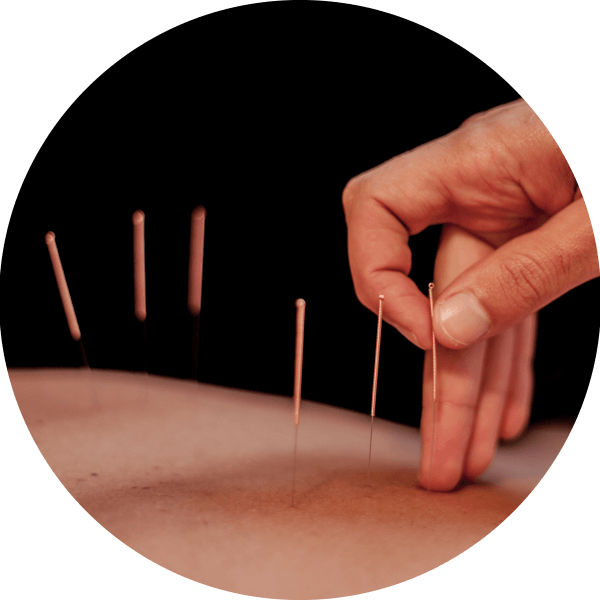
Acupuncture involves the insertion of very fine needles into specific points on the body with the aim of rebalancing the body’s vital energy (Qi) and thus eliminating disease.
ADJACENT TECHNIQUES TO ACUPUNCTURE
ACUPUNCTURE
Acupuncture points are determined based on the patient’s diagnosis. Once the needles are inserted, most patients feel their body relax and release tension.
CUPPING
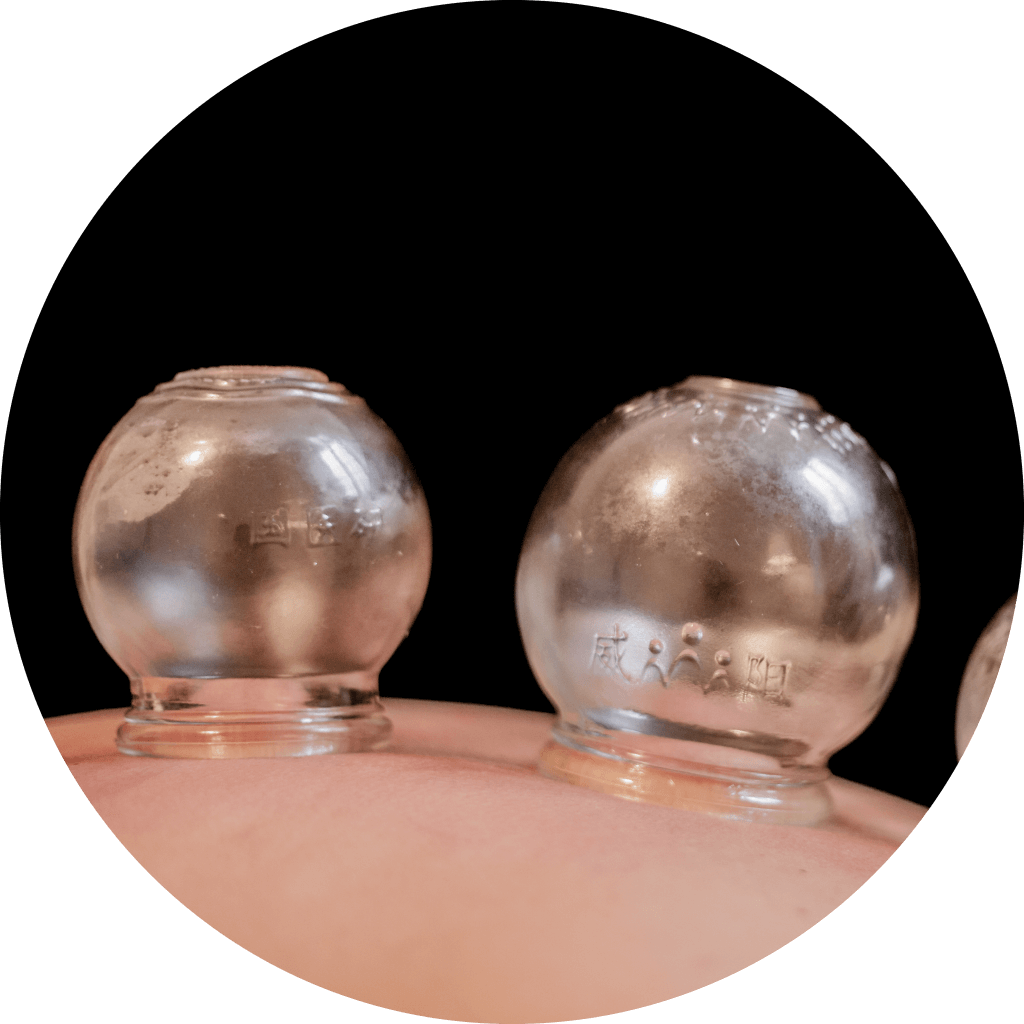
Cupping therapy significantly improves blood circulation and relieves muscle tension through the suction of tissues created by the vacuum effect of the cups. It is used in cases of pain, muscle tension, and stiffness.
MOXIBUSTION
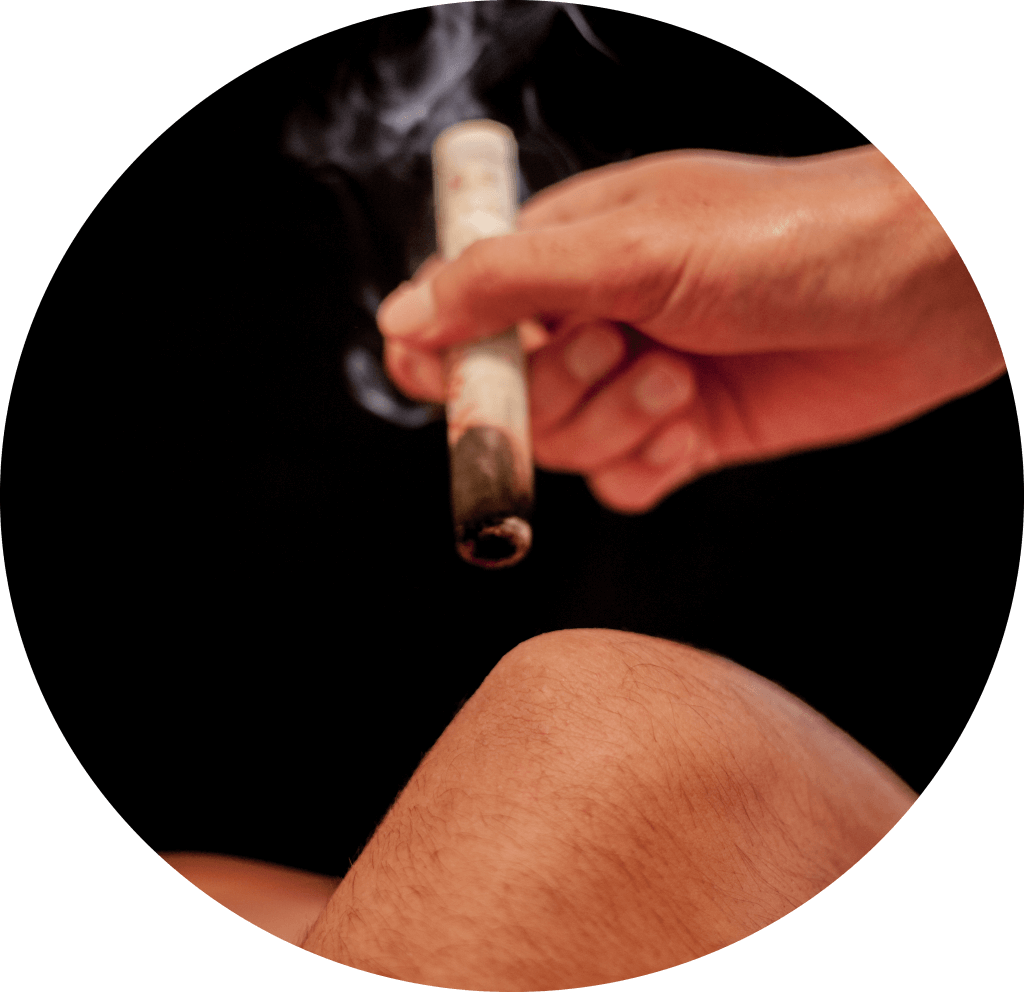
Moxibustion is the stimulation of acupuncture points or areas of the body through heat generated by the combustion of Artemisia (Ai Ye). Moxibustion treatment can be applied alongside acupuncture.